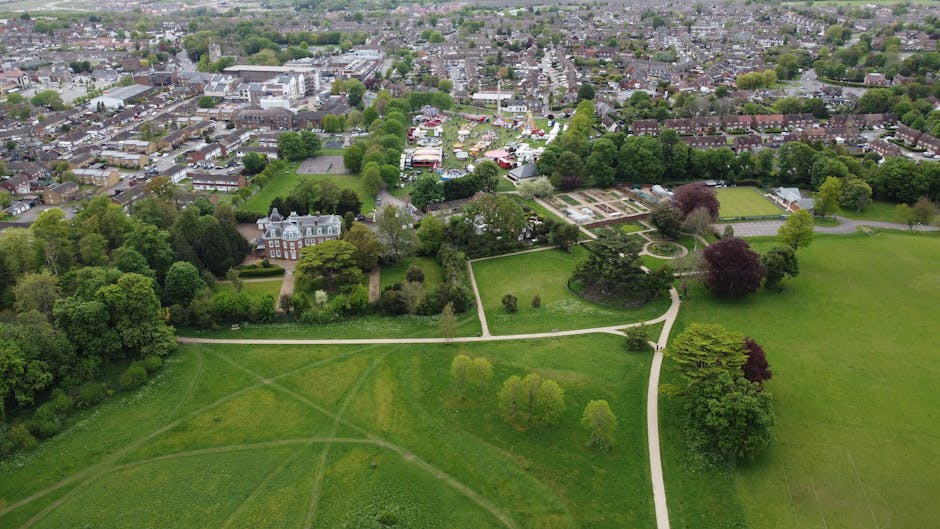
Chingford Mount guide for businesses hiring gardeners
If you run a business in or around Chingford Mount, hiring a gardener can feel deceptively simple at first. Trim the hedges, tidy the borders, keep the frontage presentable. Easy, right? Then real life shows up: staff parking, customer access, uneven growth after a wet spell, leaf fall on a windy Monday morning, and the not-so-small question of who is actually responsible when a site needs regular care rather than a one-off cut.
This Chingford Mount guide for businesses hiring gardeners is designed to help you make a sensible, low-stress choice. Whether you manage a shopfront, office, rental property, school, estate, medical practice, hospitality venue, or a mixed-use site, the right gardening contractor can save time, improve first impressions, and keep outdoor spaces safer and easier to maintain. The wrong one can create avoidable mess, missed visits, and a fair bit of hassle. Truth be told, that is usually what business owners want to avoid most.
Below, you will find a practical explanation of how business garden services work, what to look for in a local provider, how to compare options, and the questions worth asking before you sign anything. There is also a checklist, a comparison table, and a realistic example based on the sort of work businesses in Chingford Mount often need.
Table of Contents
- Why it matters for local businesses
- How business gardening services work
- Key benefits and practical advantages
- Who this is for and when it makes sense
- Step-by-step guidance for hiring well
- Expert tips for better results
- Common mistakes to avoid
- Tools, resources and recommendations
- Law, compliance, standards and best practice
- Options, methods and comparison table
- Case study and real-world example
- Practical checklist
- Conclusion
- Frequently asked questions
Why Chingford Mount guide for businesses hiring gardeners Matters
Outdoor space does more than look nice. For many businesses, it quietly shapes customer perception before anyone has even opened the door. A neat entrance, clipped hedges, weed-free paving, and a well-kept communal area can make a place feel organised, cared for, and safe. That matters whether you are welcoming clients, residents, staff, or suppliers.
In Chingford Mount and the surrounding part of northeast London, businesses often deal with a mix of urban grit and pockets of greenery. That creates a practical challenge. Growth can be fast in mild weather, leaves build up quickly in autumn, and small areas can still become messy surprisingly fast if they are ignored. A good gardener understands that local rhythm. They do not just "do the garden"; they manage maintenance so it stays under control.
There is also a commercial side to this. If your frontage looks tired, blocked, or neglected, customers may assume the rest of the business is the same. That sounds harsh, but people notice these things in seconds. A tidy exterior creates a small but real trust signal. And yes, if you manage more than one site, the visual consistency can become part of your brand.
For businesses that want to keep things efficient, it also helps to think beyond the obvious tidy-up. Gardeners can reduce trip hazards, keep paths clearer, maintain planting that does not overwhelm signage, and help prevent the "we meant to sort that out last month" feeling that creeps in when nobody owns the outdoor areas. If your premises include more specialist needs, it may also be worth looking at related services like tree surgery support in London or professional hedge trimming so you do not rely on one-off patchwork fixes.
How Chingford Mount guide for businesses hiring gardeners Works
Hiring a gardener for a business is usually more structured than hiring one for a private home. There is often a site to assess, a schedule to define, and a few people involved in the decision. Facilities managers, landlords, business owners, or managing agents may all have a say. That means clarity matters from the start.
Typically, the process begins with a site visit or a set of photos. The gardener assesses the condition of the space, the size of the grounds, the type of planting, access arrangements, and any special considerations such as customer footfall, locked gates, working hours, waste removal, or shared responsibility with neighbouring occupiers. If you have ever watched someone try to manoeuvre tools through a narrow service alley at 7:30 in the morning, you will know access is not a small detail.
After that, the provider should outline the scope of work. This may include mowing, pruning, hedge cutting, weed control, planting refreshes, leaf clearance, jet washing around hard landscaping where appropriate, border care, and seasonal upkeep. Some businesses want an all-in service. Others prefer a lighter, scheduled maintenance plan plus occasional larger jobs. Both can work well.
Good contractors are usually clear about frequency too. A retail frontage might need weekly or fortnightly attention in spring and summer. A low-traffic site may only need monthly visits plus seasonal clearance. The right schedule depends on the site, not on a generic package someone copied from a brochure. That sounds obvious, but it is a common mistake to assume all business gardens need the same level of care.
In practical terms, the best arrangements often include:
- a written scope of work
- visit frequency and seasonal adjustments
- waste removal arrangements
- points of contact for access and approvals
- clear expectations around photos, reporting, or sign-off
If your business also needs regular grounds care across multiple sites, it can help to compare broader support options such as commercial garden maintenance and grounds maintenance services. The terminology varies a bit, but the operational point is the same: keep the site looking right without creating more admin than necessary.
Key Benefits and Practical Advantages
There is a temptation to treat gardening as a cosmetic extra. It is not. At business level, it can affect risk, reputation, and routine costs in ways that are easy to underestimate.
1. Better first impressions
Customers, tenants, and visitors notice the exterior before they notice your pricing, your signage, or your staff. A trimmed and orderly space creates a calmer arrival experience.
2. Reduced maintenance headaches
Regular attention is usually cheaper and easier than letting things slide and then paying for a big catch-up. Overgrown hedges, heavy pruning, and neglected borders can create avoidable work later on.
3. Safer access routes
Slippery leaves, blocked paths, uneven growth, and hidden edges can all become practical problems. A gardener can help keep circulation areas clearer. Not dramatic, just sensible.
4. Stronger staff and tenant experience
People enjoy working in a place that feels looked after. It is a small morale factor, but a real one. A tidy courtyard or entrance area can lift the tone of the whole site.
5. More predictable budgeting
With a scheduled service, you can plan around routine costs instead of reacting to emergencies. That matters for finance teams and small businesses alike.
6. Better plant health over time
Well-timed pruning, feeding, deadheading, and seasonal care help plants recover and stay attractive. It is the difference between "managed" and "just cut back when it becomes a problem."
In our experience, businesses often realise the value of gardening services only after they have gone a few months without them. Then the weeds are higher, the hedge line looks uneven, and the site takes on that slightly tired look. It sneaks up on you.
Practical summary: the right gardening service should make your site easier to run, not create another layer of admin. If a provider cannot explain their scope, visit pattern, and access needs in plain English, keep looking.
Who This Is For and When It Makes Sense
This guide is relevant for a wide mix of businesses and property stakeholders in Chingford Mount. You may need a gardener if you are responsible for a place that people see, use, or walk past every day.
- Retail units and shopfronts that need tidy entrances, planters, and frontage care
- Offices with communal outdoor areas, car parks, or boundary planting
- Landlords and letting agents managing rental properties or shared spaces
- Schools, nurseries, and education sites where safety and presentation both matter
- Hospitality venues with gardens, courtyards, or seating areas
- Medical and care settings where calm, clean outdoor areas support the overall environment
- Small industrial or mixed-use sites where perimeter care and weed control keep the place from looking forgotten
It makes sense to hire help if your current team is already stretched, if outdoor work is being done inconsistently, or if the site looks acceptable only because someone is randomly "having a go" when time allows. That approach works for about five minutes, then the weeds win. They usually do.
You may also want support if your site has seasonal pressure points. For example, a hospitality business may need more frequent upkeep in spring and summer, while a property with mature trees may need structured leaf clearance and pruning checks in autumn and winter. The right service should flex with the calendar, not stay rigid when the site clearly is not.
Step-by-Step Guidance
If you want a straightforward way to hire a gardener without overcomplicating it, this is the process I would suggest. It keeps decisions clear and helps you compare quotes properly.
- Define the problem first. Are you trying to improve appearance, reduce maintenance, improve safety, or all three? A good brief starts with the outcome.
- List the areas to be maintained. Include entrances, borders, hedges, paths, car park edges, planters, communal zones, and anything shared with neighbours or tenants.
- Decide how often the site needs attention. Weekly, fortnightly, monthly, seasonal, or a mix. If you are unsure, ask for a suggested schedule based on the site.
- Ask what is included. Mowing? Weeding? Green waste removal? Litter picking? Hedge trimming? Planting refreshes? Do not assume.
- Check access and timing. Early morning, lunchtime, or outside trading hours may be necessary. If the site has keys, alarms, or parking restrictions, mention that up front.
- Request a written quote. Compare scope, frequency, and exclusions rather than just the headline figure.
- Ask how issues are reported. A quick photo update or short note can help a lot, especially if you manage remotely.
- Start with a trial period if needed. A short initial term can be useful if you are not fully certain on the level of service required.
A simple question can save a lot of pain: "What would you do here if this were your own business front?" It is not scientific, but it often gets the contractor talking in a more practical way. And that's useful.
If your business has larger shrubs, trees, or boundary planting, it may be sensible to ask whether the gardener coordinates with related services, such as stump removal for old problem areas or garden clearance where a site has been neglected and needs a fresh start.
Expert Tips for Better Results
Small choices make a big difference here. The best business arrangements are rarely the flashiest; they are the ones that run smoothly in the background.
Be precise about boundaries
It sounds dull, but this is where many disputes begin. Spell out exactly which areas are included. Is the back yard part of the contract? Who handles the strip by the fence? What about weeds coming through paving from a shared access lane? Define it now and save a headache later.
Ask for seasonal thinking, not just routine labour
A competent gardener should know when to prune, when to leave plants alone, and when to adjust the frequency of visits. Over-pruning can be as unhelpful as neglect. A site with good structure in winter often looks far better in spring because someone made the right decisions earlier.
Think in terms of presentation zones
Most businesses do not need every square metre treated equally. The customer-facing frontage may need the highest standard, while service areas may need basic control only. That prioritisation keeps budgets realistic.
Keep a simple record
Even a short internal log of visits, issues, and requests can help. Useful things get forgotten when ten other jobs land on the same desk. A note saying "hedge too close to signage, reduce next cut" can be worth its weight in gold.
Prefer communication over assumptions
If you want clippings removed, say so. If you need the site left tidy before 8:00 a.m., say that too. Gardeners cannot read a business owner's mind, surprisingly enough.
One more thing: a good local provider will usually be comfortable explaining what they won't do as well as what they will. That honesty is a good sign. You want a professional who sets expectations properly, not one who nods at everything and hopes for the best.
Common Mistakes to Avoid
Hiring gardening support is rarely complicated, but there are a few repeat mistakes that cause most of the frustration. Worth watching for.
- Choosing only on price. The cheapest quote may exclude essential work or be based on a light-touch visit that does not suit your site.
- Not checking insurance or credentials. If someone is working on commercial premises, you want reassurance that they operate responsibly and can provide documentation where appropriate.
- Being vague about the scope. "Just tidy it up" is not enough for a business relationship.
- Ignoring access logistics. Locked gates, alarms, parked delivery vans, and customer entrances matter more than people think.
- Assuming one visit solves everything. For many sites, ongoing maintenance is the actual requirement, not a one-off clean-up.
- Not planning for waste. Green waste removal can be a real operational detail, especially for larger hedges or clearance work.
Another common trap is hiring a generalist without checking whether they are set up for business premises. That is not always a problem, to be fair, but commercial sites often need better scheduling, clearer communication, and a stronger paper trail than a typical domestic garden job.
If the outdoor space has become seriously overgrown, it may be better to begin with a reset rather than pretending routine mowing will fix it. In those situations, a provider who also offers weed control and commercial landscaping support may be a better fit than someone who only does basic weekly maintenance.
Tools, Resources and Recommendations
You do not need a massive procurement process to hire a gardener well, but a few practical tools will make the decision easier. A bit of structure goes a long way.
| Resource | Why it helps | Best for |
|---|---|---|
| Site photo pack | Gives contractors a clearer first view of condition and access | Initial quotes and shortlist comparisons |
| Simple scope document | Reduces confusion over what is included | Ongoing business maintenance |
| Seasonal schedule | Helps align work with growth, leaf fall, and planting cycles | Sites with changing demands |
| Internal contact list | Makes access, approvals, and issue reporting easier | Multi-site or managed properties |
| Invoice and visit log | Supports budgeting and service review | Finance and facilities teams |
As a rule, you want a provider who is comfortable working from a clear brief. If your site needs broader outdoor care, it may be worth reviewing related pages on lawn care, shrub pruning, and garden maintenance services so you understand how the work can be split between routine visits and occasional specialist jobs.
And if you are still shaping the brief, a good old-fashioned walkaround in the early morning can help. You notice more then: damp patches, overhanging branches, broken edging, the one stubborn patch of weeds near the bins. Small stuff, but that is the stuff that makes a place feel looked after.
Law, Compliance, Standards and Best Practice
This is not a heavily regulated service in the way some trades are, but businesses should still treat it seriously. A little diligence protects you and helps the contractor work safely and professionally.
Insurance: ask whether the gardener or company holds suitable public liability insurance. For commercial work, that reassurance is usually expected. If they are bringing tools, vehicles, or machinery onto your site, it is a sensible question, not an awkward one.
Health and safety: on business premises, contractors should be aware of safe working practices, access control, moving vehicles, trip hazards, and the presence of staff or visitors. If mowing or cutting back is taking place near busy entrances, timing and cordoning may matter.
Waste handling: if green waste is being removed, make sure responsibility for disposal is clear. For some sites, composting on location may be suitable; for others, removal is the right approach. It depends on the scale and the premises.
Access and permissions: if the site is shared, leased, or managed by an agent, check who can authorise work. A common mess-up is getting a quote from one person and then discovering another stakeholder expected a different standard. It happens more than you would think.
Best practice: use written instructions, agree visit windows, and keep a record of any special site risks. If your grounds include trees or larger vegetation, ask whether the work needs to be coordinated with a specialist such as an arborist service rather than treated as ordinary garden maintenance.
For most businesses, compliance is really about being organised. Not glamorous, I know. But organised is what keeps things moving without drama.
Options, Methods, or Comparison Table
Different business sites need different approaches. Below is a simple comparison to help you decide what level of service makes sense.
| Option | Best for | Pros | Watch out for |
|---|---|---|---|
| One-off tidy-up | Overgrown sites or pre-event preparation | Fast reset, useful before inspections or openings | Can be a temporary fix if the site needs regular care |
| Scheduled maintenance | Most businesses with visible outdoor areas | Predictable, easier to budget, better long-term presentation | Needs a clear scope and good communication |
| Seasonal programme | Sites with changing growth patterns | Flexible, sensible for leaf fall, pruning, and planting changes | Can be too loose unless dates and tasks are defined well |
| Full grounds care package | Larger or multi-area premises | Convenient, often less admin, broader coverage | May include services you do not need, so check value carefully |
For a small shopfront, a lighter schedule may be enough. For a building with formal planting, parking edges, and a rear service area, a fuller package usually makes more sense. The best choice is the one that matches how people actually use the site, not how you wish they used it.
Case Study or Real-World Example
Here is a realistic example based on a common business scenario in Chingford Mount. A small professional services office had a front strip of planting, a narrow paved entrance, and a couple of shrubs that were starting to crowd the window display. For a while, staff were trying to handle the upkeep themselves. It sort of worked in summer. By early autumn, not so much.
The business then asked for a local gardening service to assess the site. The contractor identified three priorities: regular weed control on the paved edge, a modest pruning plan for the shrubs, and a seasonal tidy-up schedule to keep leaf litter off the entrance. They also suggested a better visit time so the work did not clash with morning clients.
What changed was not just the appearance. Staff no longer spent ten minutes each week doing a half-hearted tidy before meetings. The entrance felt calmer. The windows looked clearer. And the business owner, who had been quietly irritated by the whole thing for months, stopped thinking about it every time she walked in. That may sound minor, but these little annoyances add up.
The lesson is simple: the best gardening arrangement is one that removes friction. If it reduces interruptions and keeps the site looking decent without constant chasing, it is probably the right one.
Practical Checklist
Use this before you request quotes or confirm a contractor. It keeps the conversation focused and saves time later.
- Site type confirmed - retail, office, rental, hospitality, education, or mixed-use
- Areas listed - entrance, borders, hedges, paths, car park edges, rear yard, communal space
- Priority outcomes defined - appearance, safety, access, seasonal control, ongoing upkeep
- Preferred visit frequency noted - weekly, fortnightly, monthly, or seasonal
- Access details shared - gates, keys, alarms, parking, working hours, customer flow
- Waste expectations agreed - removal, on-site composting, or mixed approach
- Insurance checked - suitable for commercial work
- Quote scope compared - not just price, but inclusions and exclusions
- Communication route set - who to contact and how updates are shared
- Review date planned - first check-in after the initial visits or seasonal change
If you can answer these points cleanly, you are already ahead of many businesses. Honestly, that is half the battle.
Conclusion
Hiring a gardener for a business in Chingford Mount is not just about keeping things neat. It is about protecting presentation, reducing small operational problems, and making sure outdoor areas support the way your business actually works. The best arrangements are clear, scheduled, and tailored to the site rather than copied from a one-size-fits-all checklist.
Start with a practical brief. Compare scope, not just cost. Ask about access, waste, frequency, and insurance. And if your premises need more than routine tidying, look for a provider who can advise on broader maintenance needs as well. A little structure now usually saves a lot of scrambling later.
Get a free quote today and see how much you can save.
Done well, this is one of those quiet business decisions that just makes life easier, week after week. That's a good feeling, really.
Frequently Asked Questions
What should businesses in Chingford Mount ask before hiring a gardener?
Ask what services are included, how often visits will happen, whether waste is removed, what access is needed, and whether the contractor has suitable insurance for commercial premises. A written quote helps avoid misunderstandings.
Is a one-off tidy-up enough for most business properties?
Sometimes, but not often for long. A one-off job is useful for a reset, event preparation, or an overgrown site. Most visible business premises benefit more from scheduled maintenance.
How often should a business garden be maintained?
It depends on the site. Busy frontages may need weekly or fortnightly attention in growing seasons, while quieter sites may only need monthly or seasonal visits. The right frequency depends on growth, footfall, and presentation needs.
What is the difference between garden maintenance and grounds maintenance?
Garden maintenance usually focuses on planting, hedges, borders, and lawn care. Grounds maintenance can be broader and may include pathways, communal outdoor areas, and general site upkeep. The exact meaning varies a bit by provider.
Do gardeners for businesses need insurance?
They should have appropriate public liability cover, especially when working on commercial premises. It is a sensible standard to ask for, not an overreaction.
Can a gardener remove waste from the site?
Often yes, but you should confirm it in advance. Some providers include removal as standard, while others charge separately or offer on-site composting where suitable.
How do I compare quotes fairly?
Look at scope, frequency, exclusions, waste handling, and communication, not just the headline price. A cheaper quote may simply include less work.
What if the outdoor area has become badly overgrown?
Ask for a clearance or reset visit first. Once the site is under control, you can move to a regular maintenance schedule. That is usually more realistic than trying to jump straight into routine visits.
Can gardeners work outside business hours?
Many can, especially if access can be arranged safely. Early mornings or quieter periods are often better for customer-facing sites. Be clear about your preferred window from the start.
Should I use the same contractor for trees, hedges, and general garden care?
Sometimes yes, if they are equipped for the work. But larger trees or more technical pruning may need a specialist. It is fine to ask whether they handle those tasks directly or coordinate with another service.
What makes a gardener a good fit for a commercial site?
Reliability, clear communication, sensible scheduling, and a proper understanding of commercial expectations. A good fit is often the contractor who asks smart questions before quoting, not the one who promises everything immediately.
How do I know if my business needs regular pruning or just occasional visits?
If growth is affecting signage, entrances, light levels, or customer access, regular pruning may be needed. If the site only needs a seasonal tidy, occasional visits might be enough. A site inspection usually settles it quickly.