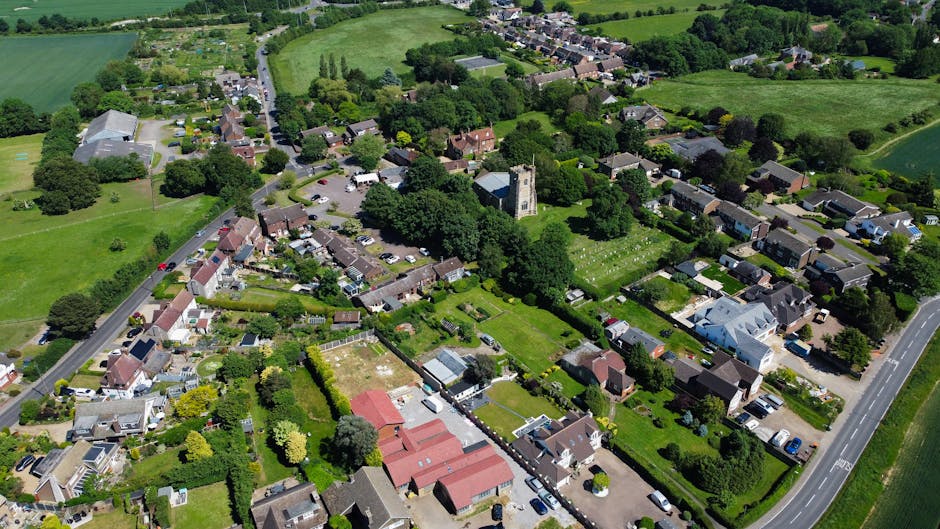
Old Church Road Garden Care Guide for Chingford Residents
If you live near Old Church Road in Chingford, you already know gardens here can be a bit of a mixed bag. One week it feels lush and settled; the next, a run of rain, shade from mature trees, or a dry spell off the back of a breezy afternoon changes everything. This Old Church Road garden care guide for Chingford residents is designed to help you keep on top of those everyday challenges without turning gardening into a second job.
Whether you've got a compact front garden, a family back garden, a strip of lawn, or a few stubborn beds that never quite behave, the aim is simple: make the space healthier, easier to maintain, and nicer to live with. Truth be told, most gardens don't need dramatic overhauls. They need the right routine, the right timing, and a bit of local know-how.
This guide walks you through what matters, how the process works, what to watch out for, and how to decide what kind of care makes sense for your garden. It also points you towards useful internal resources if you're planning broader outdoor work alongside garden maintenance.
- Garden clearance for larger, neglected spaces
- Fresh turfing for tired lawns
- Block paving for neat garden borders and paths
- Driveway cleaning to brighten the whole frontage
- Patio cleaning for slippery or mossy hard landscaping
- Fencing options for privacy and boundary repair
- Broader landscaping services when maintenance isn't enough
- Pressure washing for outdoor surfaces that need a reset
Why Old Church Road Garden Care Guide for Chingford Residents Matters
Garden care in this part of Chingford is not just about neatness. It affects how your home feels, how usable your outside space is, and even how manageable day-to-day chores become. On streets like Old Church Road, gardens often face a mix of urban pressure, partial shade, seasonal leaf fall, compacted soil, and the usual London weather swing from soggy to dry with very little warning.
That combination matters. A lawn that's ignored for a few months can thin out. Shrubs that were "fine for now" can start blocking paths or windows. Weeds, moss, and fallen debris build up quickly in tucked-away corners, and before you know it, the garden feels bigger than the job at hand. Ever looked out on a Saturday morning and thought, where on earth did all this come from? Most people have. More than once.
For Chingford residents, good garden care is also about making sensible use of space. Many homes in the area benefit from practical, durable outdoor improvements rather than constant cosmetic tinkering. That might mean regular hedge trimming, a seasonal tidy-up, new turf, better drainage, or simply putting the right maintenance schedule in place.
There's another reason this guide matters: local conditions shape results. A garden in a more exposed spot won't behave like one tucked behind mature trees. Clay-leaning soil, shaded borders, and damp corners all need different approaches. If you ignore those differences, you end up treating symptoms rather than fixing the real problem.
For homeowners wanting to improve the whole outdoor space, it can also make sense to think beyond planting and pruning. A tidy garden alongside a clean driveway or refreshed patio often looks more complete, and it tends to stay easier to manage. That's where services like patio cleaning and driveway cleaning can complement routine garden upkeep nicely.
How Old Church Road Garden Care Guide for Chingford Residents Works
The simplest way to think about garden care is this: observe, prioritise, act, and maintain. Most gardens don't need every task done at once. They need a sensible order.
Start by looking at the space in four parts:
- Soft landscaping such as lawn, soil beds, shrubs, and hedging.
- Hard landscaping such as paths, patios, edging, steps, and retaining features.
- Drainage and moisture behaviour, especially where water sits after rain.
- Practical use, meaning how you actually move through and use the garden.
Once you've identified the weak spots, you can decide whether the job is a light maintenance visit or a deeper reset. A light maintenance approach might include mowing, weeding, pruning, and clearing debris. A deeper reset may include clearance, soil improvement, turfing, hedge reshaping, or repairs to borders and surfaces.
For many households, a sensible annual rhythm works better than random bursts of effort. Spring is usually for reawakening: clearing, cutting back, feeding, and checking what survived winter well. Summer is for control and watering. Autumn is about leaf clearance, cutting back tired growth, and preparing for wetter conditions. Winter is not a total write-off, by the way; it's a good time to deal with structure, planning, and the odd fix that gets ignored in warmer months.
If a garden has become overgrown, the process usually begins with a proper garden clearance. That gives you a clean starting point. After that, you can decide whether the area just needs maintenance or a more noticeable upgrade, such as broader landscaping work or new turf.
One thing to keep in mind: good garden care is not only about appearance. A trimmed hedge may improve light. A cleaned path may reduce slipping. Better soil structure can make planting less frustrating. Small gains, stacked together, make a space feel much calmer and more usable.
Key Benefits and Practical Advantages
A well-kept garden does more than look respectable from the pavement. It changes how the home functions. In a practical sense, it reduces the amount of work you face later. That's the part people often miss. A little maintenance now usually saves a much bigger job down the line.
Here are the main benefits Chingford residents usually notice:
- Less overwhelm because the garden stays manageable instead of spiralling into a full weekend project.
- Better curb appeal from the road, which matters whether you're staying put or thinking ahead.
- Safer outdoor movement with fewer slippery patches, trip hazards, and hidden debris.
- Healthier planting areas thanks to improved soil, clearer light, and less competition from weeds.
- More usable space for family time, entertaining, or simply getting a chair out and enjoying five quiet minutes.
- Improved property presentation when outdoor surfaces and green areas feel joined up rather than neglected in pockets.
There's also a less visible advantage: confidence. Once a garden is under control, people tend to use it more. A tidy corner invites a chair. A mown lawn makes the whole place feel open. A cleared path makes carrying bins or moving bikes less annoying. Small things, but they add up.
And if you're tackling hard surfaces too, freshening the patio or path can make the planting feel even better. A clean, well-defined edge beside healthy borders usually looks sharper than trying to rescue one area while leaving another to slide. For that reason, many homeowners pair garden maintenance with block paving improvements or pressure washing when the outdoor space needs a more complete tidy-up.
Expert summary: The best garden care plans are usually not the most complicated ones. They are the ones that match your garden's actual conditions, use, and growth patterns, then keep going consistently enough to stop problems from building up.
Who This Is For and When It Makes Sense
This guide is for anyone living near Old Church Road who wants their garden to feel easier to live with. That could mean a first-time buyer trying to make sense of an overgrown patch, a family that has simply fallen behind, or an owner-occupier who wants to protect a decent garden without overinvesting in it.
It also makes sense if any of these sound familiar:
- You've inherited a garden that needs work but you're not sure where to start.
- You can keep up with mowing, but hedges, weeds, and borders are slipping.
- You want the garden to look presentable for visitors or a sale.
- You've noticed poor drainage, moss, or patchy lawn growth.
- You're juggling work and family life and don't have the time to do everything yourself.
- You want a local, practical approach rather than generic gardening advice that sounds nice but doesn't quite fit a London garden.
Sometimes the right moment is obvious. After a storm. Before spring. Before guests arrive. But often it's just that quiet point when the garden starts demanding more attention than you've got spare. That's usually your signal.
If your outdoor space is mainly hard landscaping with a few borders, the priorities will be different from a larger family garden with lawn and planting beds. If the whole area is tired, uneven, or heavily weeded, a reset may be the better first step, and then maintenance afterwards. If you need privacy, boundary support, or a cleaner look from the street, fencing can be part of the plan as well.
Step-by-Step Guidance
Here's a practical way to approach garden care without overcomplicating it. You do not need to solve everything in one go. In fact, trying to do so is a common reason people give up halfway through.
1. Walk the garden and note the obvious issues
Start with a slow walk around the space. Look for overgrowth, blocked access, bare soil, standing water, broken edging, and any areas that feel unsafe or awkward. If the garden smells earthy and damp in places where it shouldn't, or if moss is creeping in where the sun barely reaches, make a note of it. Those little details tell you a lot.
2. Separate urgent jobs from cosmetic ones
Urgent jobs are the ones affecting access, safety, or plant health. Cosmetic jobs are the ones that improve appearance but won't collapse the whole space if delayed. For example, removing fallen debris and clearing a slippery path should probably happen before decorative edging or new planting.
3. Tackle clearance before refinement
If the area has become cluttered or heavily overgrown, clear first. You want visibility. You want breathing room. This is where garden clearance can make a dramatic difference, especially where brambles, old pots, dead stems, and general buildup have hidden the real structure of the garden.
4. Restore the ground and structure
Once the space is clear, assess the soil and surfaces. Compacted soil may need loosening or improving. Worn lawn areas may need reseeding or new turf. Broken edging or unstable borders should be sorted before you invest in planting. Otherwise you're dressing up a problem that'll come back.
5. Prune and shape with purpose
Cutting should do more than make things look tidy. It should improve shape, encourage growth, and stop plants from crowding each other. Keep in mind that different shrubs and hedges respond differently, so avoid the "just give it a hard chop" approach unless you know the plant tolerates it. Some do. Some really do not.
6. Refresh the finishing touches
Finish with weeding, mulching, edging, and cleaning surfaces. This is where the garden starts to look cared for rather than merely cut back. A clean patio, a swept path, and a crisp border can make even a modest garden feel much more intentional. If the hard surfaces are grubby, patio cleaning or driveway cleaning can lift the whole frontage more than people expect.
7. Set a maintenance rhythm
The best result is the one you can keep. Build a schedule that suits your actual life, not the idealised version of it. A quick weekly check, a monthly tidy, and a seasonal deeper visit is often enough to keep things under control.
Expert Tips for Better Results
A few small decisions make a surprisingly big difference in garden care, especially in a setting like Chingford where weather and light can change a lot from one part of the garden to another.
- Work with the site, not against it. Shady areas need different planting and maintenance than sunny ones. Don't force the same routine everywhere.
- Clear leaf litter promptly. In autumn, leaves are not just untidy; they can smother grass and make paths slippery.
- Don't overcut hedges too often. Regular shaping is better than heavy damage followed by a long recovery.
- Check drainage after rain. If water sits in the same place repeatedly, there's likely a structural or soil issue to address.
- Edge borders clearly. A neat edge does more for the look of a garden than people usually expect. Strange, but true.
- Pair maintenance with cleaning. A tidy lawn next to a dirty patio can still feel unfinished.
- Choose durable improvements where needed. If a border is constantly collapsing, or the garden lacks definition, some hard landscaping may be the smarter investment.
One practical tip from real-world jobs: if a garden has been ignored for a while, don't start with the most visible feature. Start with access and structure. When you can move properly, see properly, and work safely, everything else becomes easier.
And yes, weather timing matters. A dry spell can make pruning and clearing much simpler. A drizzly morning can make moss and slick debris more obvious. That's useful information, not a nuisance. Garden care is often about noticing small patterns before they become bigger jobs.
Common Mistakes to Avoid
Even well-intentioned garden care can go sideways if the basics are missed. Here are the mistakes people make most often, especially when trying to save time.
- Starting with planting before clearing. If the foundation is messy, new plants often end up competing with weeds and hidden debris.
- Cutting everything back too hard. Some plants recover well; others get set back for months.
- Ignoring soil condition. A healthy-looking top layer can still be compacted underneath.
- Leaving surfaces untreated. Slippery patios and paths are not just ugly, they're annoying and potentially unsafe.
- Letting borders blur into lawn edges. It sounds minor, but once the edge disappears, the whole garden feels less controlled.
- Assuming one tidy-up solves everything. It rarely does. Without maintenance, the same problems come back fast.
Another common mistake? Trying to do every job in the same order you notice it. That's human, to be fair, but it usually means you spend energy on appearance before dealing with the issues that make the appearance bad in the first place.
If you are unsure about the best sequence, think in this order: clear, repair, improve, maintain. It keeps the work sensible and avoids that frustrating "why doesn't this look better yet?" feeling.
Tools, Resources and Recommendations
You do not need a shed full of specialist equipment to maintain a good garden. Most of the time, the essentials are enough. If you're doing light maintenance yourself, useful tools usually include:
- Gloves with a decent grip
- Sharp shears or secateurs
- A mower suited to the size of your lawn
- A spade and border fork
- A rake for leaves and debris
- A stiff broom for paths and patios
- A watering can or hose for dry spells
For larger or more difficult jobs, professional help can make better use of time and reduce the risk of damaging plants or surfaces. That is especially true if you need clearance, heavy lifting, turf replacement, or broader outdoor work. In those cases, it can be worth looking at landscaping services rather than trying to piece together a bigger job in stages.
Also think about the surfaces around the garden. A clean, well-defined edge between planting and paving helps you maintain the area later. If your old surfaces are beyond a quick clean, block paving can be a useful way to create structure and reduce visual mess. Not always necessary, but definitely useful in the right garden.
Practical recommendation: if your garden feels like a constant battle, the issue may not be effort. It may be layout, drainage, or unfinished structure. That's worth assessing before you pour time into repeat maintenance.
Law, Compliance, Standards, or Best Practice
For most home gardens, the main things to keep in mind are good neighbourly practice, safe working methods, and avoiding damage to shared boundaries or property. If your garden care involves boundary walls, fences, trees, or work close to neighbouring land, it is wise to check what belongs to whom before starting anything substantial. That sounds obvious until a job gets halfway done and everyone is suddenly looking at the same fence panel.
Where trees or hedges are involved, sensible best practice is to avoid unnecessary damage, especially near shared boundaries or where root systems may affect paving and drainage. If you are unsure whether a tree or major hedge cutback is straightforward, it can be worth getting advice before acting. Better to pause than to create a problem that takes ages to fix.
For waste and clearance, responsible disposal matters. Green waste, soil, timber, and general garden debris should be handled properly and not just piled somewhere "for later." That applies even if the pile looks harmless. It usually gets less harmless by the weekend.
Safety also counts as best practice. Use proper gloves, eye protection where needed, and stable footing on wet or uneven ground. If a job involves heavy lifting, difficult access, or awkward height, the sensible choice is often to bring in help rather than push on and hope for the best.
If you are arranging work that includes hard landscaping or larger outdoor changes, make sure the scope is clear from the start. That helps avoid misunderstandings about what is included, what materials will be used, and whether the project is maintenance, repair, or a more significant transformation.
Options, Methods, or Comparison Table
Not every garden in Old Church Road needs the same approach. Some only need regular care. Others need a reset and then a maintenance plan. Here's a simple comparison to help you decide what fits best.
| Approach | Best for | Typical work involved | Key advantage | Trade-off |
|---|---|---|---|---|
| Routine maintenance | Fairly tidy gardens that need ongoing control | Mowing, pruning, weeding, sweeping, edging | Low disruption, easy to keep on top of | Doesn't solve deeper issues |
| Seasonal tidy-up | Gardens that slip between spring and autumn | Clearance, leaf removal, trimming, border refresh | Quick visual improvement | May need follow-up work later |
| Full clearance and reset | Overgrown, neglected, or cluttered gardens | Removal of debris, weed control, pruning, surface review | Creates a clean starting point | More time and effort upfront |
| Maintenance plus landscaping | Gardens with structural or layout problems | Clearance, repairs, turfing, paving, edging, fencing | Longer-term improvement | Higher commitment than basic care |
As a rule of thumb, if the garden still functions but just looks tired, maintenance may be enough. If it feels awkward to use, hard to clean, or structurally messy, a reset or improvement plan is usually the better investment. No drama. Just reality.
Case Study or Real-World Example
A fairly typical local example: a family garden near Old Church Road had a patchy lawn, a hedge that had grown too wide, and a patio that had turned dull and slippery after a wet winter. The owners weren't looking for a showpiece. They wanted the space back.
The first step was a proper clearance of dead growth, fallen branches, and old garden clutter that had collected in the corners. That immediately made the space feel larger. Once the access was clear, the hedge was shaped to let more light into the borders, and the lawn was assessed for thin patches. A mix of turfing and soil improvement made more sense than trying to keep patching bare spots forever.
After that, the patio was cleaned so the space matched the rest of the garden. Nothing flashy. Just cleaner lines, less moss, and a much more usable surface underfoot. The owners said the biggest change was not visual, oddly enough. It was the feeling that the garden had become easy again.
That's a common outcome. You don't always need to redesign everything. Sometimes the right sequence of care does most of the work for you. Clear it, sort the basics, clean the surfaces, then keep it ticking over. Simple, but effective.
Practical Checklist
Use this checklist if you want a straightforward way to assess your garden before starting work.
- Walk the garden and note overgrown areas, dead growth, and debris.
- Check whether paths, patios, and steps feel safe and clean.
- Look for standing water, moss, or soggy soil after rain.
- Identify which plants need pruning and which should be left alone.
- Decide whether the lawn needs mowing, repair, reseeding, or turfing.
- Clear access routes before doing any detailed work.
- Remove weeds from borders and edges.
- Sweep or clean hard surfaces.
- Review fence lines, borders, and any weak or broken sections.
- Set a maintenance rhythm you can actually keep.
Quick self-check: if the garden still feels harder to use after a tidy-up, there's probably a layout, surface, or drainage issue worth dealing with next.
Conclusion
Garden care near Old Church Road in Chingford works best when it is practical, seasonal, and matched to the space you actually have. Small gardens need different attention from larger family gardens. Shaded spaces behave differently from sunny ones. And a well-kept outdoor area usually comes from consistency, not perfection.
The main message is simple: start with what affects access and safety, clear the obvious problems, then build a maintenance routine that fits your life. If the garden needs more than routine care, do not be afraid to treat it as a reset rather than a quick tidy. That shift in thinking can save a lot of time and frustration.
If you're weighing up whether to maintain, refresh, or completely rework your outdoor space, it helps to look at the whole picture: planting, lawn, hard surfaces, drainage, and how you actually use the garden day to day. A thoughtful plan tends to feel calmer, and it lasts longer too.
Get a free quote today and see how much you can save.
And if you take only one thing from this guide, let it be this: a garden does not need to be perfect to feel good. It just needs to be looked after with a bit of care, at the right time, in the right way.
Frequently Asked Questions
What is the best time of year for garden maintenance in Chingford?
Spring and autumn are usually the most useful times for larger garden jobs because growth patterns and leaf fall make the work more obvious. That said, light maintenance can happen all year. The real trick is not leaving everything to one season.
How often should I maintain a garden near Old Church Road?
For most homes, a weekly or fortnightly quick check and a seasonal deeper tidy-up works well. Faster-growing gardens may need more frequent attention. If you wait until it looks severe, the job becomes much bigger than it needed to be.
Do I need professional help for an overgrown garden?
Not always, but if the space is heavily overgrown, difficult to access, or needs clearance before any real improvement can happen, professional help can save time and reduce hassle. It is especially useful when there is a lot of debris or structural work to consider.
Is garden clearance different from routine garden maintenance?
Yes. Clearance is usually a bigger reset that deals with overgrowth, waste, and neglected areas. Routine maintenance is the ongoing upkeep that keeps the garden in shape afterwards. Think of clearance as the first clean slate.
Can a patchy lawn be repaired, or does it need replacing?
It depends on how bad the damage is and what caused it. Small bare patches may be repaired, but a lawn with widespread thinning, poor soil, or repeated drainage issues may be better off with new turf. Sometimes replacing is the less frustrating choice.
What should I do about moss on paths or patios?
Moss usually means moisture, shade, or both. A proper clean helps, but if the conditions stay damp, it may come back. Improving drainage, reducing shade where possible, and keeping surfaces swept can make a real difference.
How do I know if my garden needs landscaping rather than maintenance?
If the space has layout problems, broken surfaces, poor boundaries, or drainage issues that regular upkeep cannot fix, landscaping may be the smarter option. Maintenance keeps a garden healthy; landscaping changes the structure of how it works.
Are there any local issues to watch for in Chingford gardens?
Many Chingford gardens deal with shade, leaf fall, damp corners, and compacted ground. Some also face pressure from narrow access or ageing boundaries. Those conditions are common enough that they should shape your maintenance plan from the start.
Can I combine garden care with patio or driveway work?
Absolutely. In fact, it often gives a better overall result. A freshly maintained garden can look unfinished if the surrounding hard surfaces are dirty or worn. Pairing care with patio cleaning or driveway cleaning often makes the whole property feel more cared for.
What's the biggest mistake homeowners make with garden care?
The biggest mistake is letting small jobs build up until they become a major project. The second biggest is clearing or cutting without thinking about structure, drainage, or what the garden actually needs. A calm, ordered approach usually works better.
How can I keep garden maintenance manageable long term?
Keep it simple. Set a routine, do small jobs before they grow, and treat the garden as a space that needs light, regular attention rather than occasional rescue work. That mindset is half the battle, honestly.
Should I focus on the front garden or back garden first?
If you're short on time, start with the area you see or use most often. For many households that means the front garden for presentation and access, or the back garden if that's where the family spends most of its time. The best choice is the one that improves daily life fastest.